Beat the Bell
In the past, church bells were a familiar and meaningful sound for both city and village residents in Russia. The church calendar was closely tied to everyday life, and people used the ringing of bells to tell the time. They understood the “language” of the bells well.
During the Soviet era, there was a period when bell ringing was banned. Today, interest in bell ringing is growing again, largely thanks to bell-ringing schools, which study the traditions, share experiences, and pass on skills to new students—many of whom are women. Yet, in official occupational guides, the profession of bell-ringer does not exist.
In my photo project, I explored what motivates women to become bell-ringers and what being a bell-ringer means to them—is it a profession or a calling? I created the project while living in St. Petersburg, interacting with students and teachers from local bell-ringing schools.
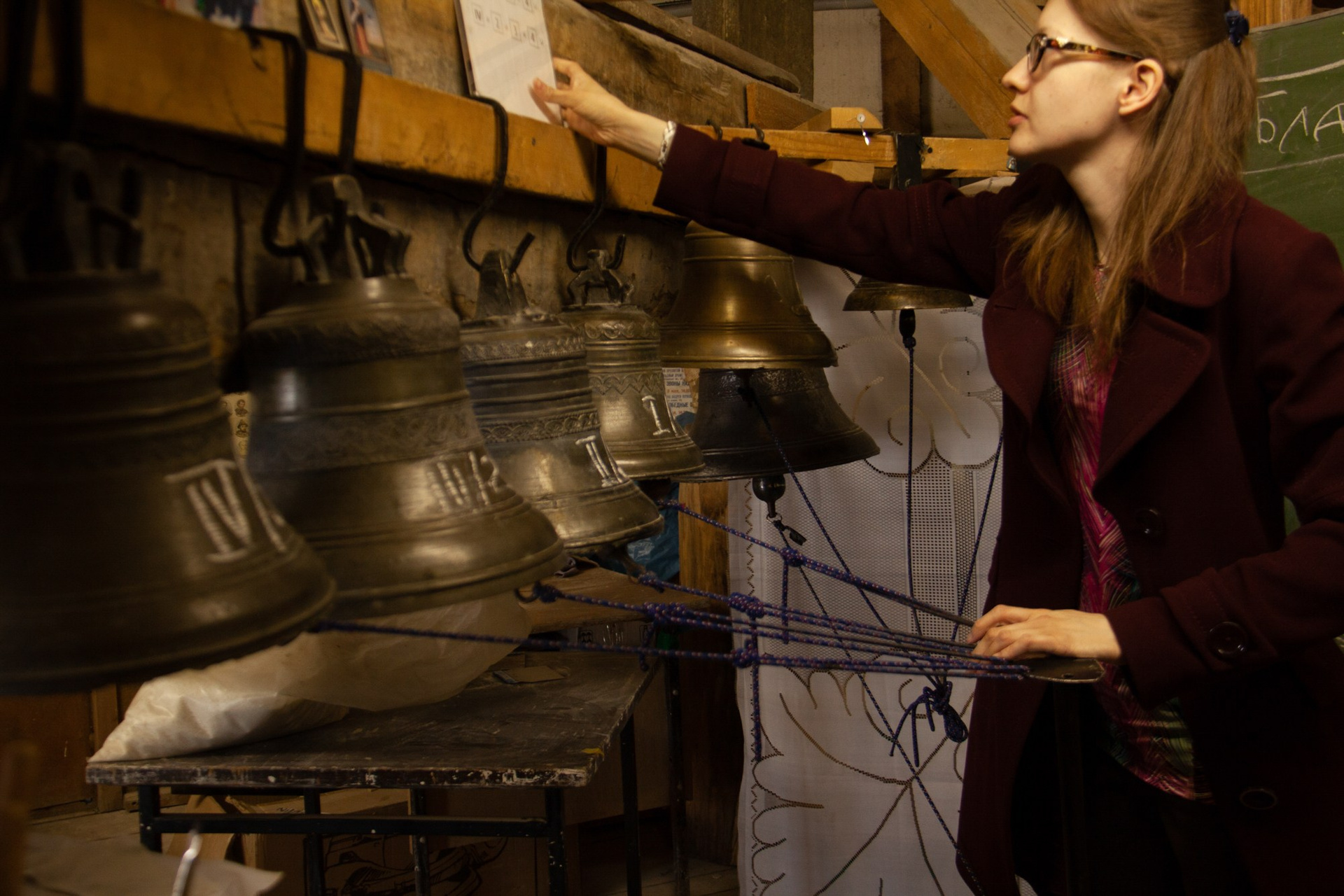
Bell-ringer Maria at the training bell tower of the bell-ringing school at the Cathedral of the Vladimir Icon of the Mother of God. In 2008, Maria joined the restoration workshops at the Vladimir Cathedral and often watched students of the bell-ringing school practicing in the training bell tower. Later, she decided to try ringing the bells herself and began learning. She now teaches bell-ringing at the school.
“I love music very much. Over time, I tried to learn different instruments—flute, guitar, mandolin, piano—but so far, it only worked out with the bells. With them, there was time, a teacher, and a purpose.”

View of St. Petersburg and the Neva River from the lower bell tower of the Peter and Paul Cathedral
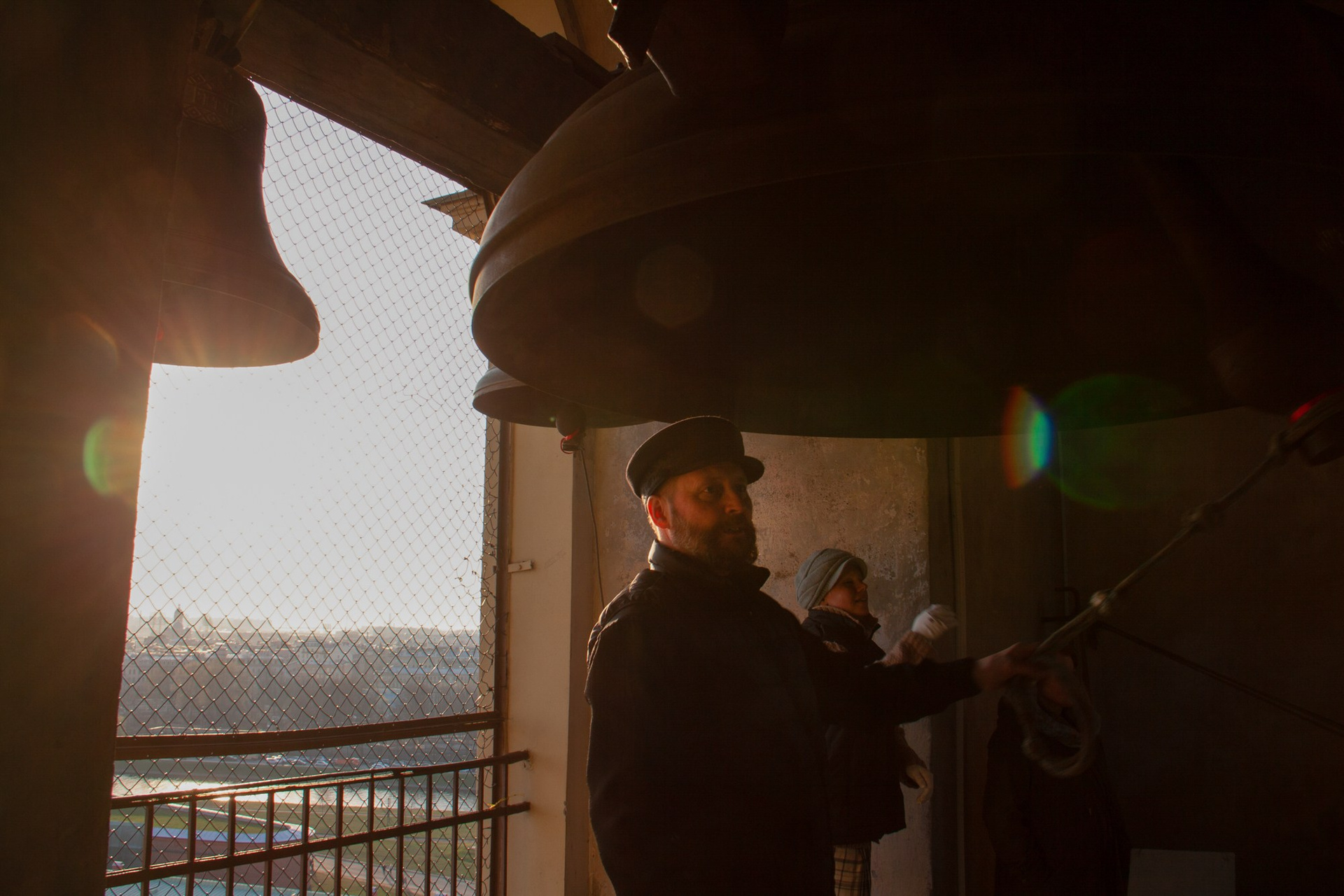
Vladimir Stepanovich Kaichuk (head of the bell-ringing school at the Cathedral of the Vladimir Icon of the Mother of God) and his students rehearsing bell ringing for the Easter festival at the bell tower of the Peter and Paul Cathedral
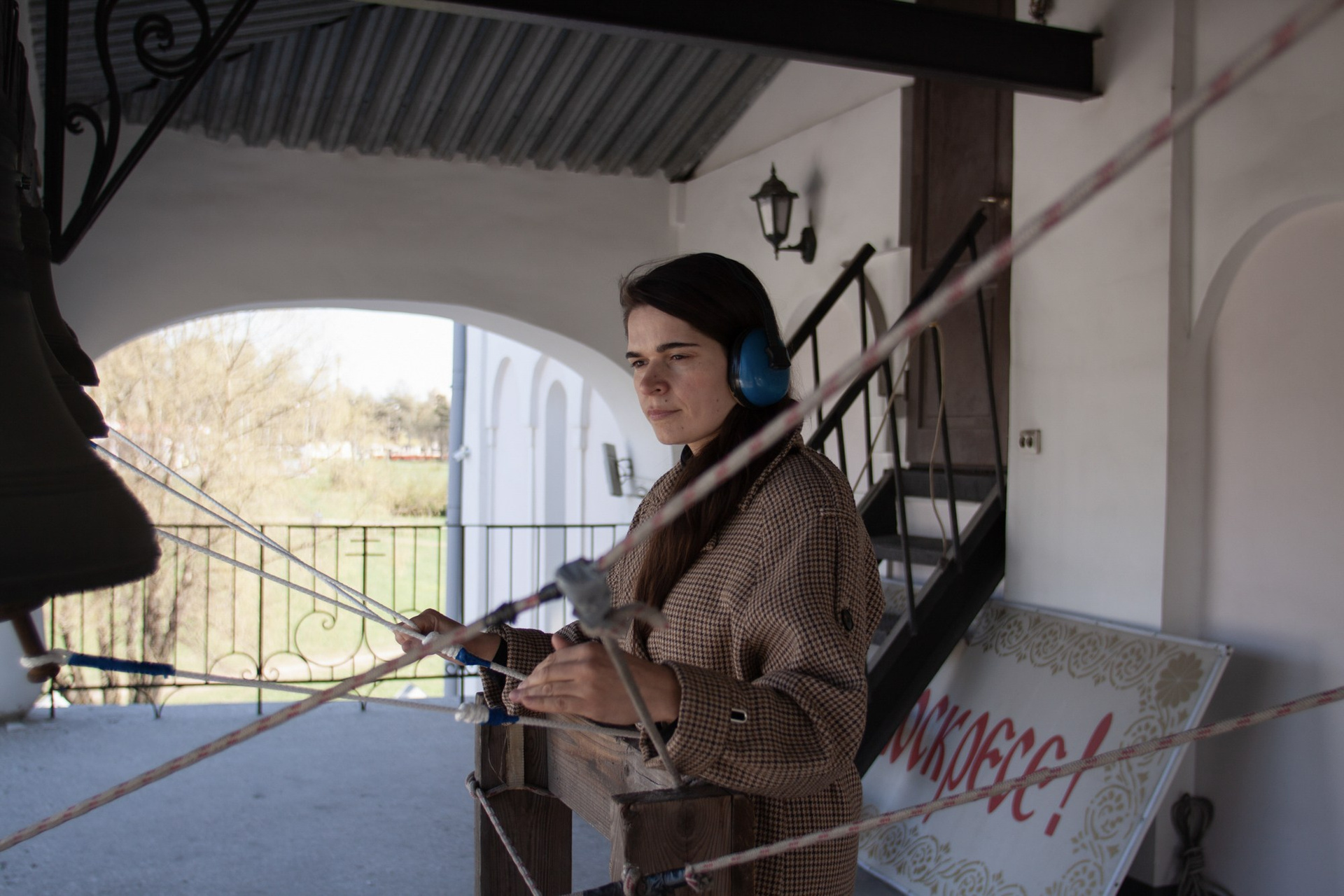
Ksenia is a bell-ringer at the Temple Complex on Piskarevsky Prospect. By profession, she is a physician—a therapist. In 2000, she joined the bell-ringing school at the Cathedral of the Vladimir Icon of the Mother of God.
“For me, bell ringing is a part of the Orthodox service, which I love very much. I enjoy being part of its beauty, ” Ksenia says. “When you ring the bells, it feels as if you’re immersed in the element of rhythm. I suppose if I were a man, I would be a drummer.”
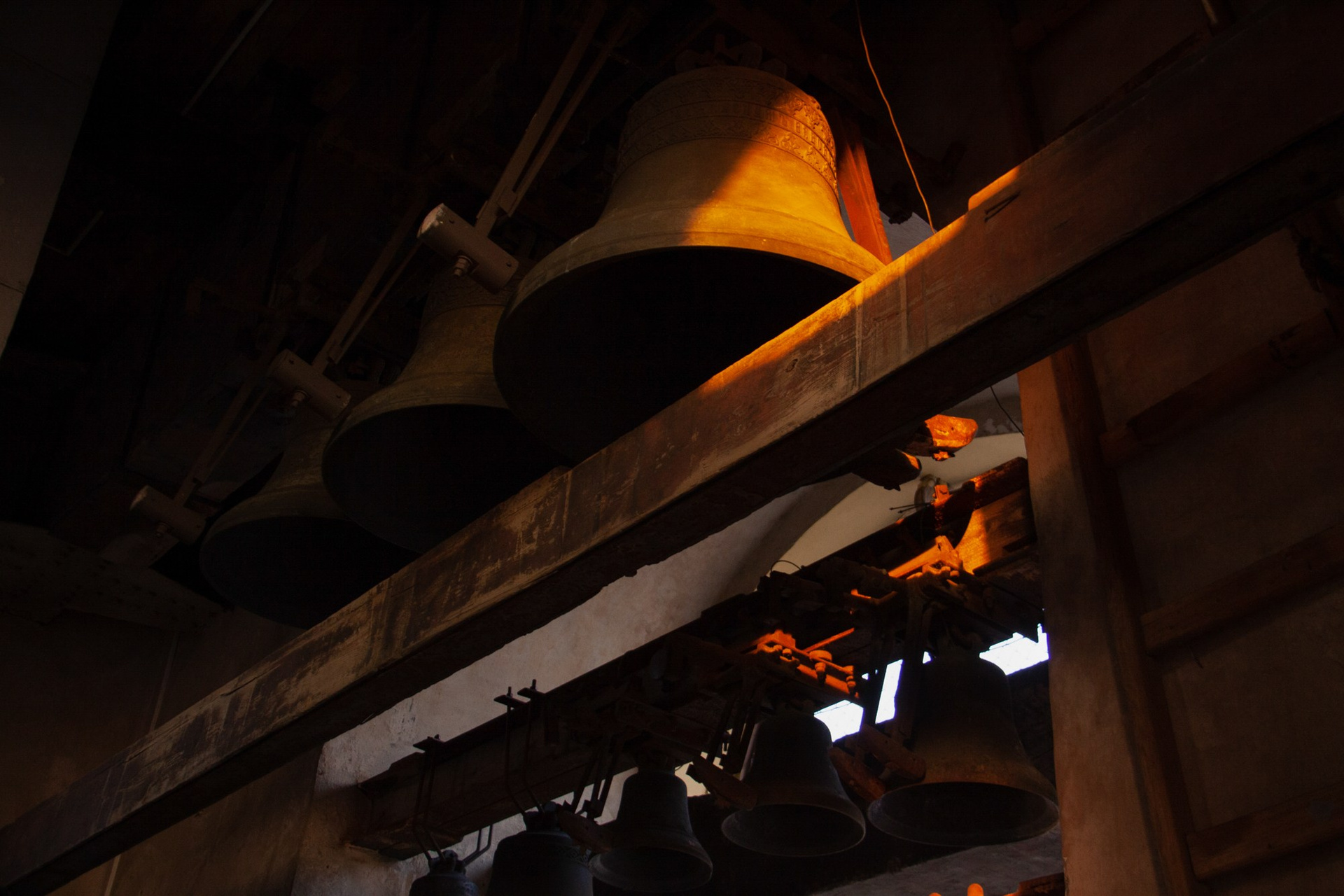
The church bells (lower bell tower) of the Peter and Paul Cathedral
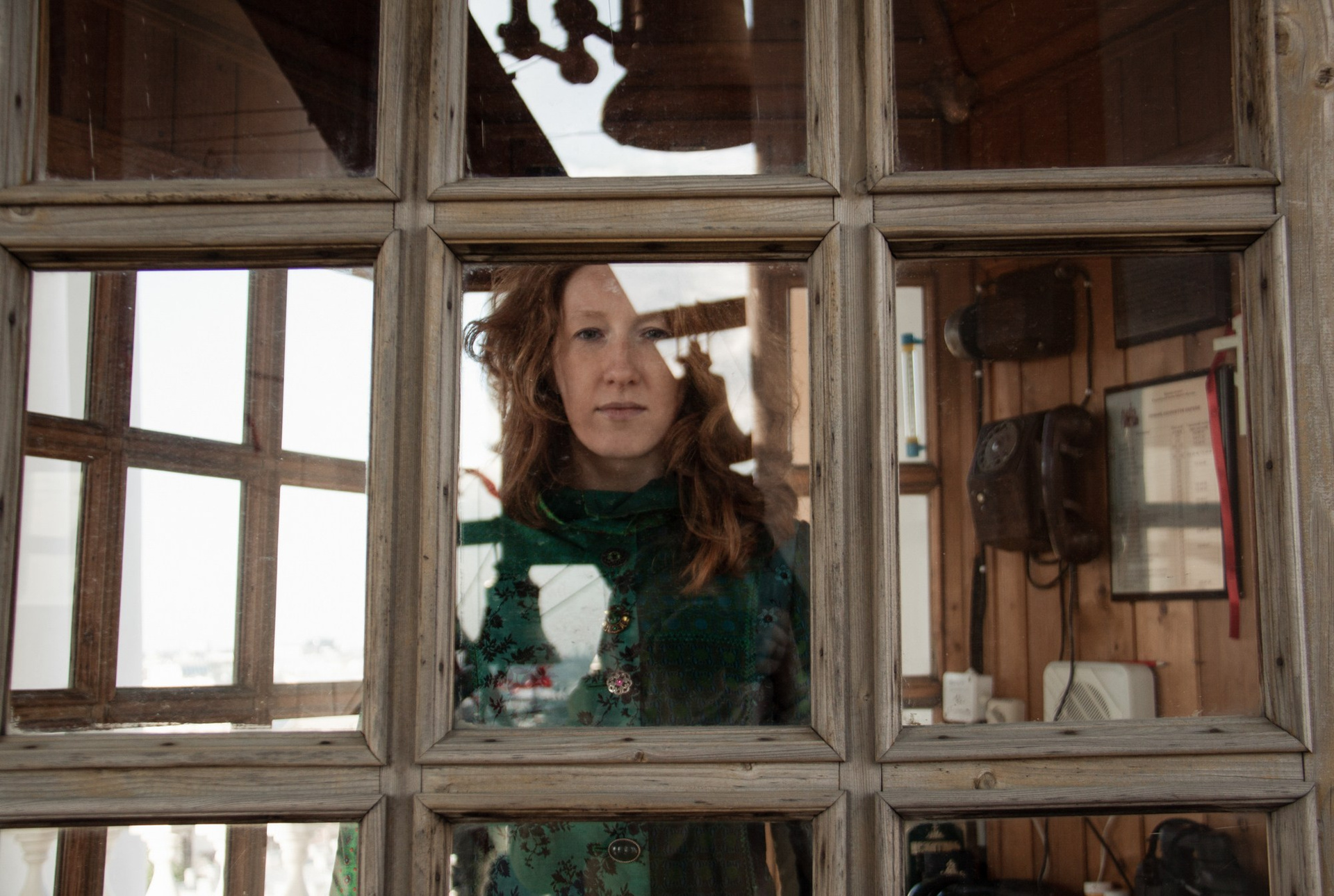
Tatiana is a bell-ringer at the Cathedral of the Vladimir Icon of the Mother of God. Three years ago, on the advice of a priest friend, she joined the bell-ringing school.
“I love the purity and resonance of the bells, how they sing and hum, how they convey mood and reflect what is happening inside the church, whether it’s a daily evening service or a festive, solemn one.”
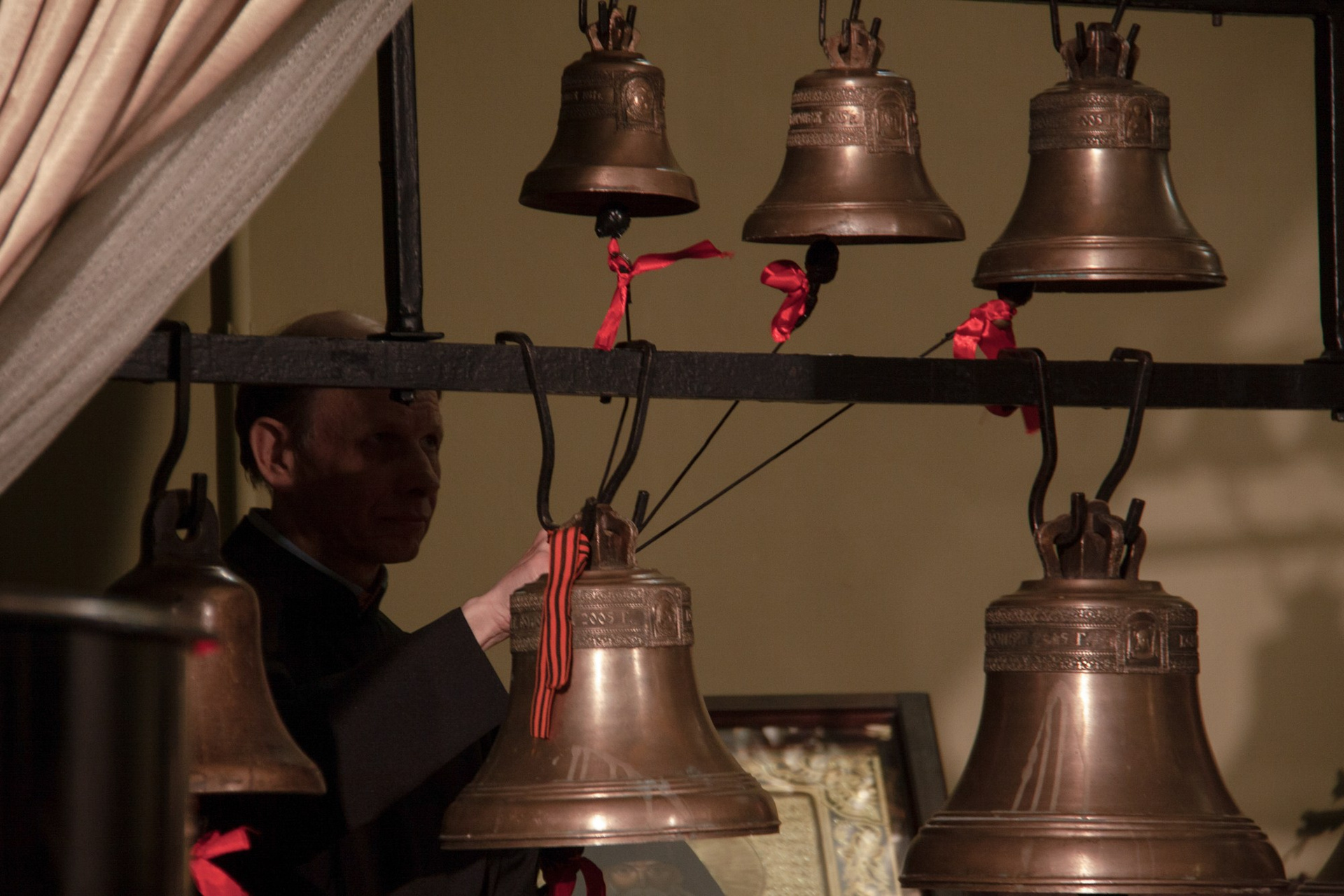
Fedor Fedorovich checks the bells on a portable bell tower for ensemble bell ringing during the concert of ancient Russian sacred music, “Myrrh-Bearing Women’s Meetings in St. Petersburg.”
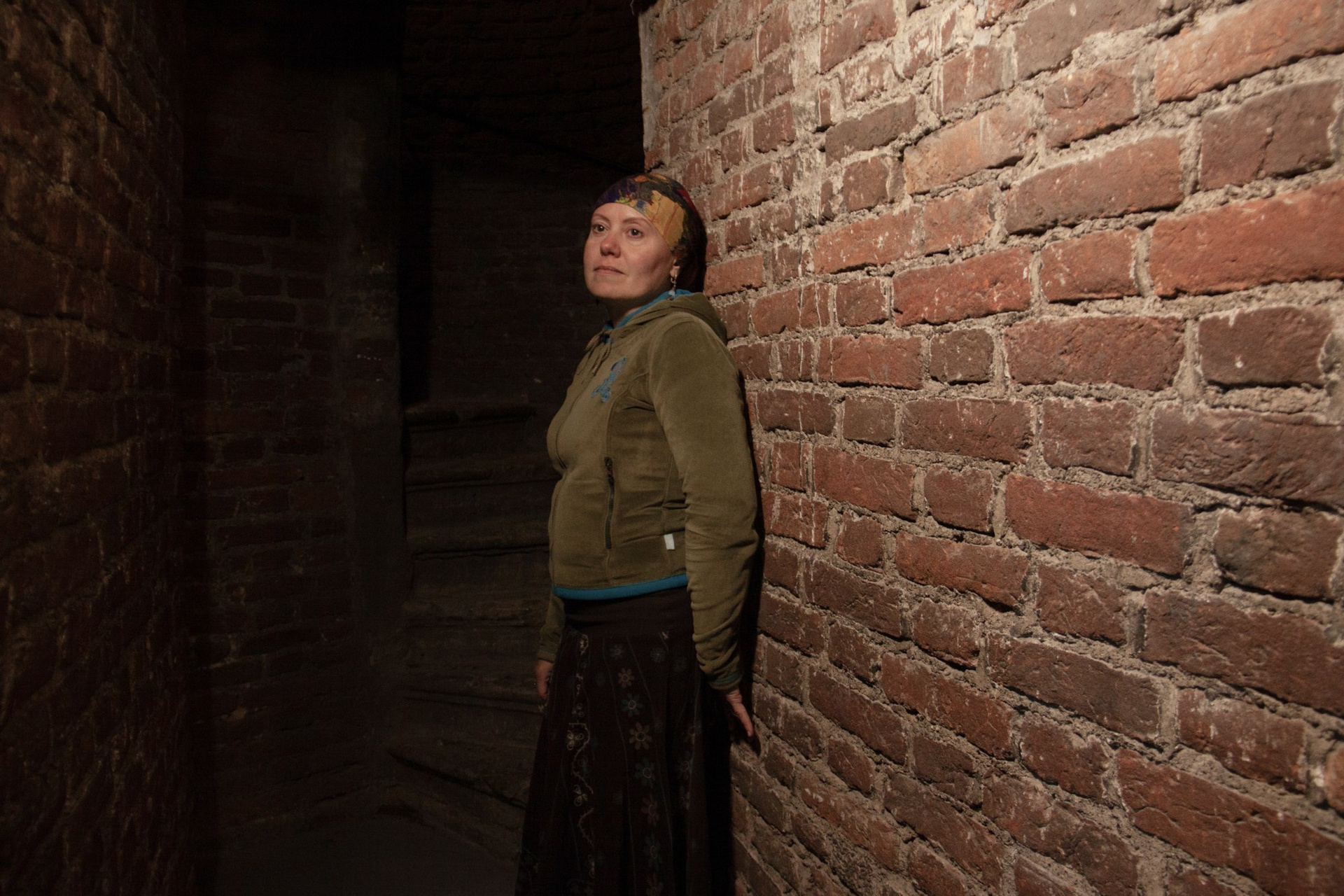
Yana, a student at the bell-ringing school of the spiritual-educational center “Communion”, learned a few years ago that anyone could climb the bell tower during Easter week. Later, while visiting Valaam, she tried ringing the bells on the bell tower at the abbot’s cemetery. This sparked her desire to learn bell ringing.
“I see learning to ring bells as my spiritual path.”
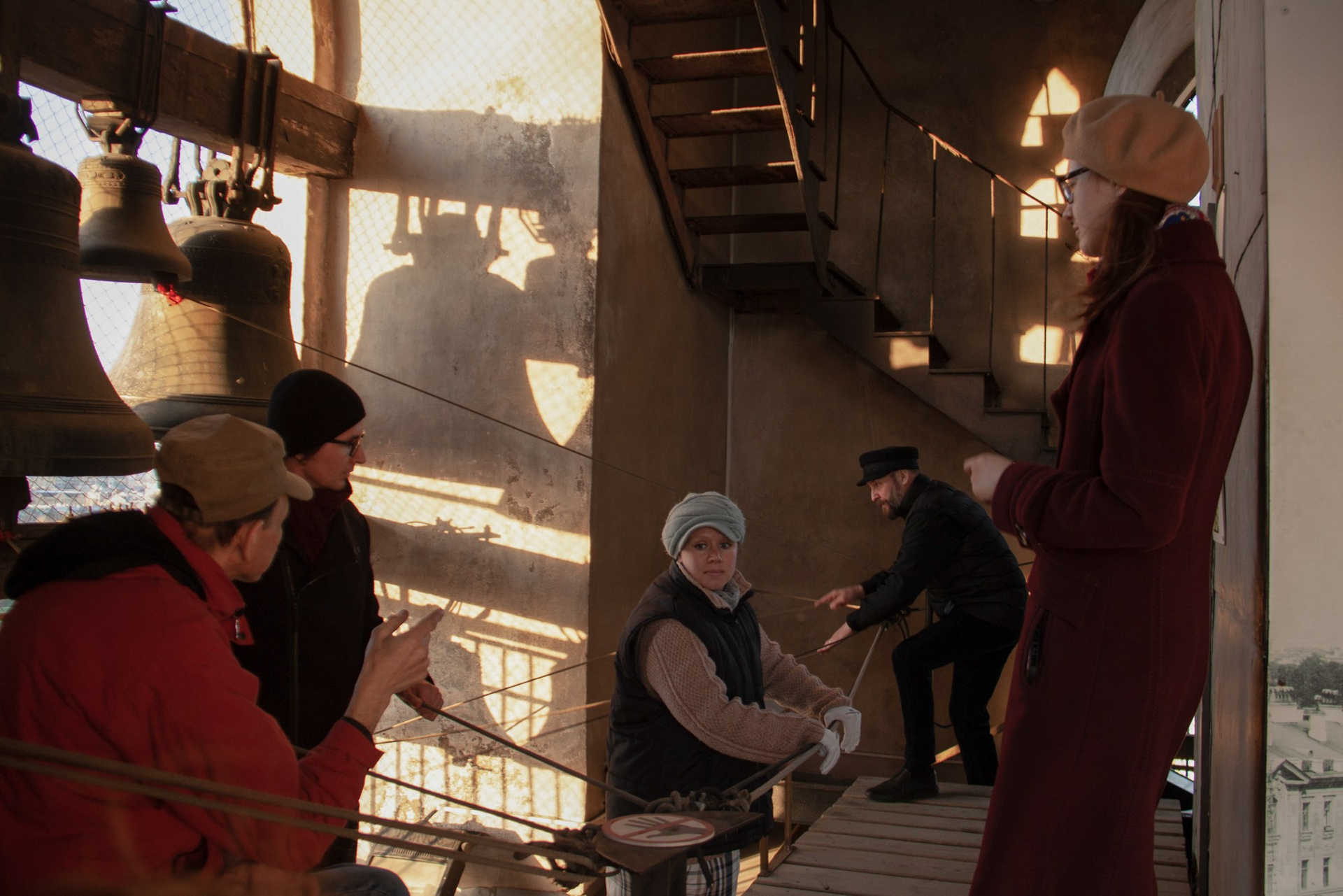
Bell-ringers rehearsing ensemble bell ringing for the Easter festival at the bell tower of the Peter and Paul Cathedral
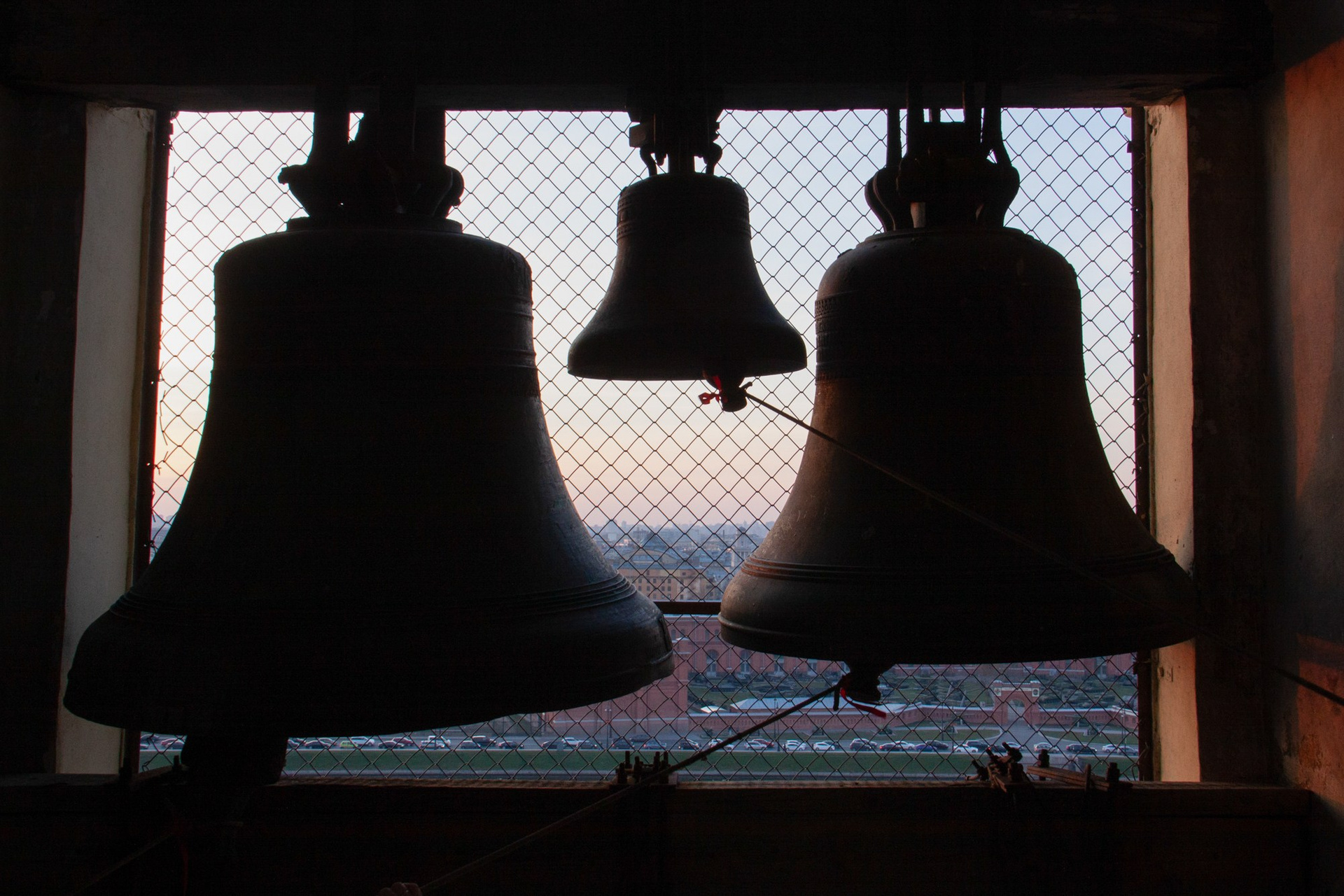
The church bells of the Peter and Paul Cathedral
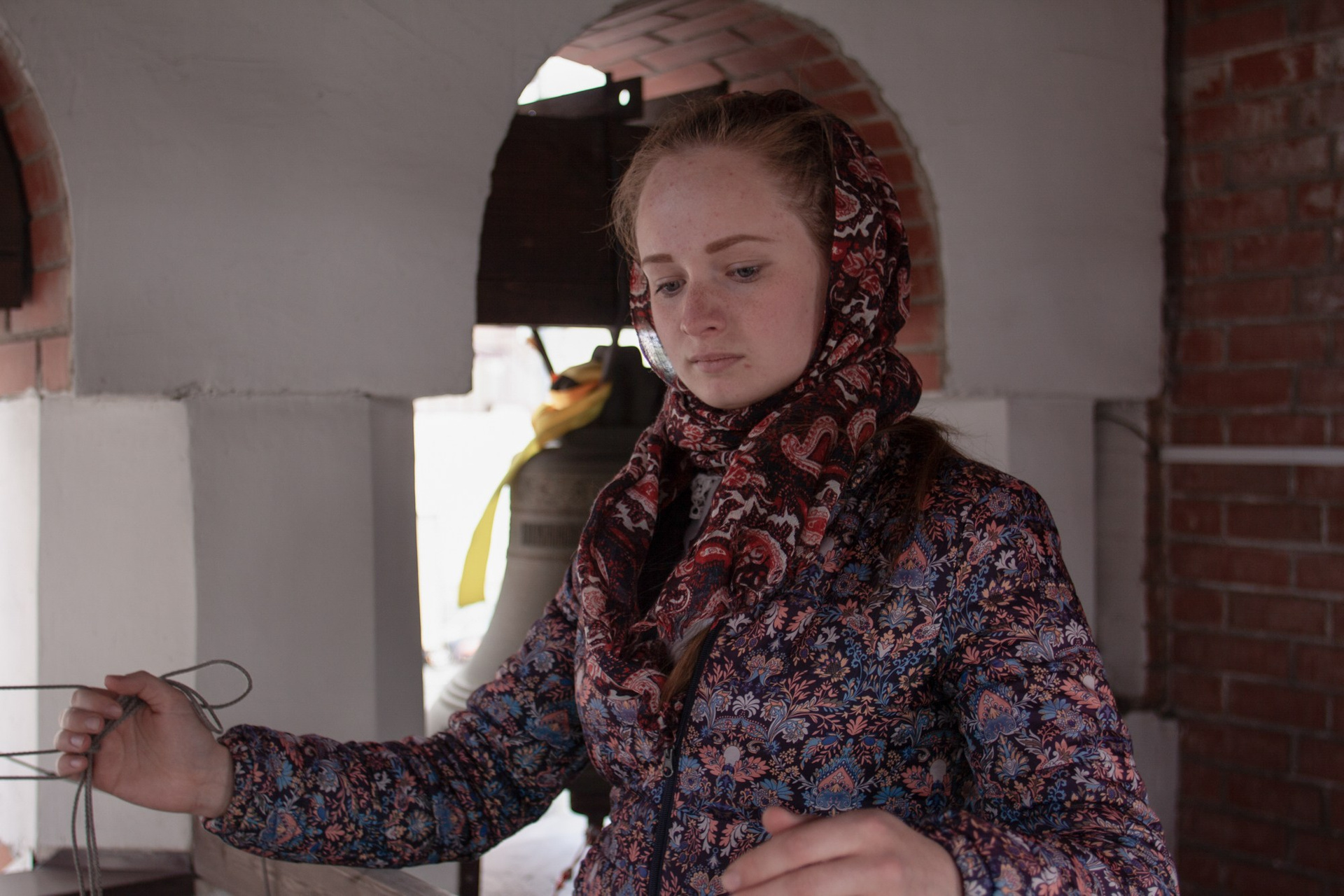
Elizaveta is a bell-ringer at the Church of St. Tatiana on Kolomyazhsky Prospect. By profession, she is a swimming coach. The bell-ringers of this church use the bells not only to welcome parishioners but also to signal the main events of the service.
On the bell tower, there is no distinction for right- or left-handed players: the right hand rings the small bells, the left hand controls the medium-sized bells, and the largest bell—the blagovest—is operated with the right foot.
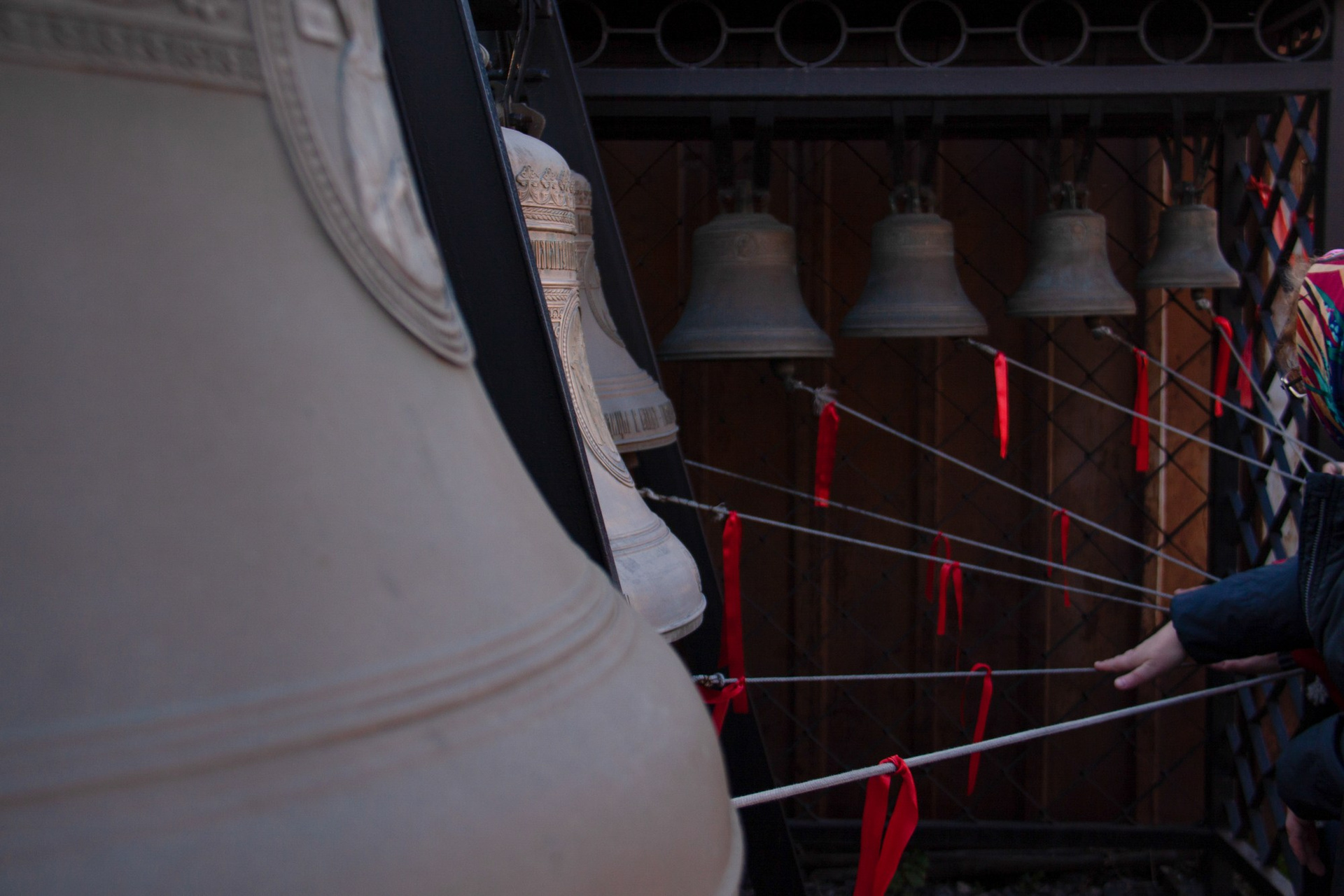
Red is the color of Easter, so in honor of the holiday, red ribbons are tied to the bell clapper or ropes. Bell tower at the Church of the Intercession of the Holy Mother of God on Kosygin Avenue, St. Petersburg.

Bell-ringer Lidiya. In her youth, Lidiya believed that only men could be bell-ringers and that bell ringing was mostly connected to monastic Orthodox culture. One day, she saw a TV report showing an elderly woman ringing bells in a Siberian church in the snow during winter. Inspired, Lidiya began searching and found the only bell-ringing school in St. Petersburg at the Vladimir Cathedral at that time.
After graduating, she served at the bell tower of the Vladimir Cathedral. Today, Lidiya cannot combine her work with constant service at the bell tower—her schedule does not allow it (she is an anthropologist and frequently goes on expeditions). However, she happily rings in ensembles, participates in various bell-ringing festivals and masterclasses, and gives lectures on bell ringing.
“I am a musician, so I was looking for an instrument that people could hear, a sound that could be shared with everyone, unlike a concert hall where people buy tickets, come, but may be disappointed because the music does not speak their language and no connection occurs. Here, it’s an instant strike—you walk by, and unexpectedly, there’s a bell. Sometimes people stop and look at the bell tower, some continue on their way, some listen to the end. It’s fascinating to watch people’s reactions from above.”
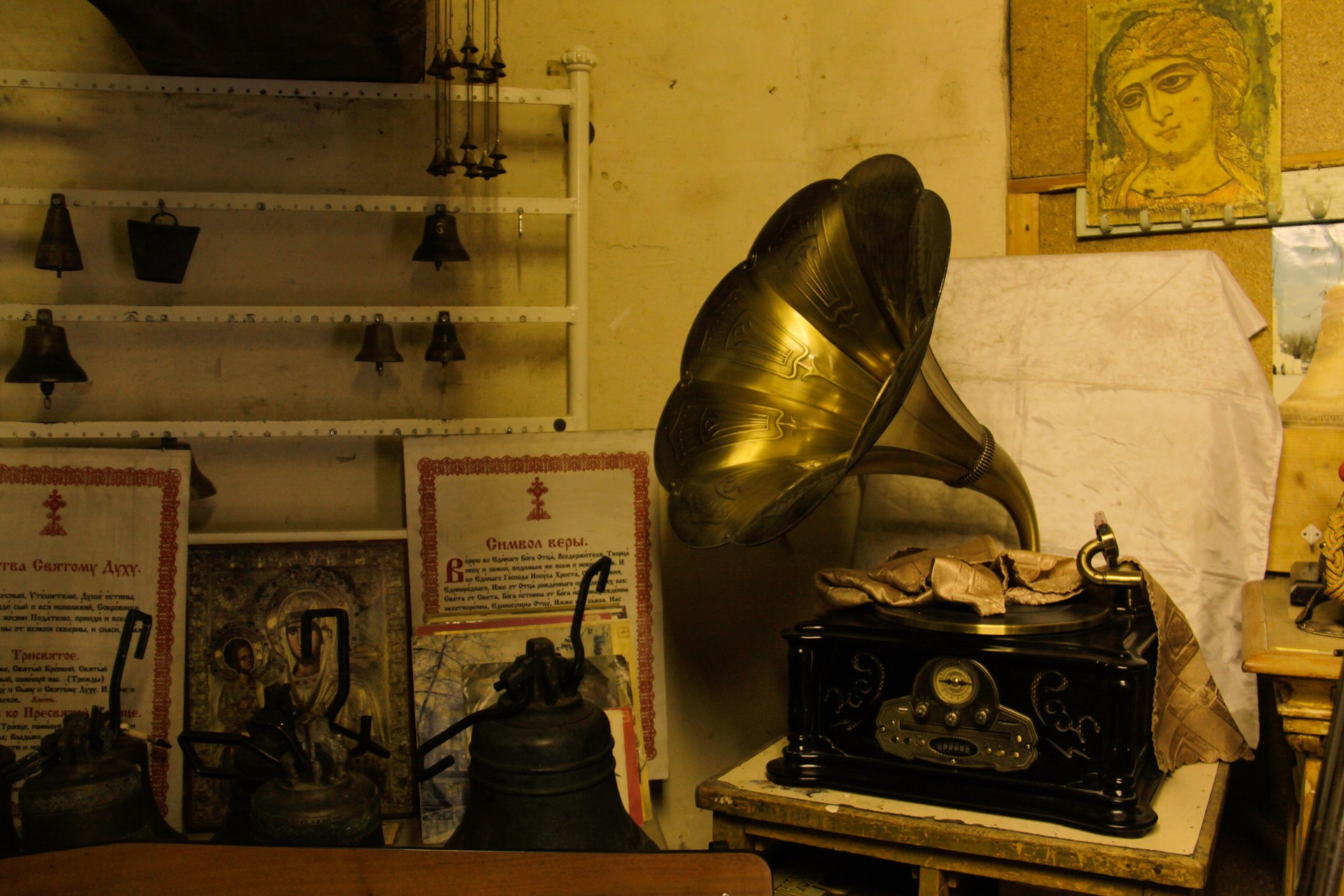
A gramophone in the training bell tower of the bell-ringing school at the Cathedral of the Vladimir Icon of the Mother of God—a gift to the school’s head, Vladimir Stepanovich, from students, friends, and colleagues for one of his birthdays. Today, Vladimir Stepanovich uses it to play bells for the students.
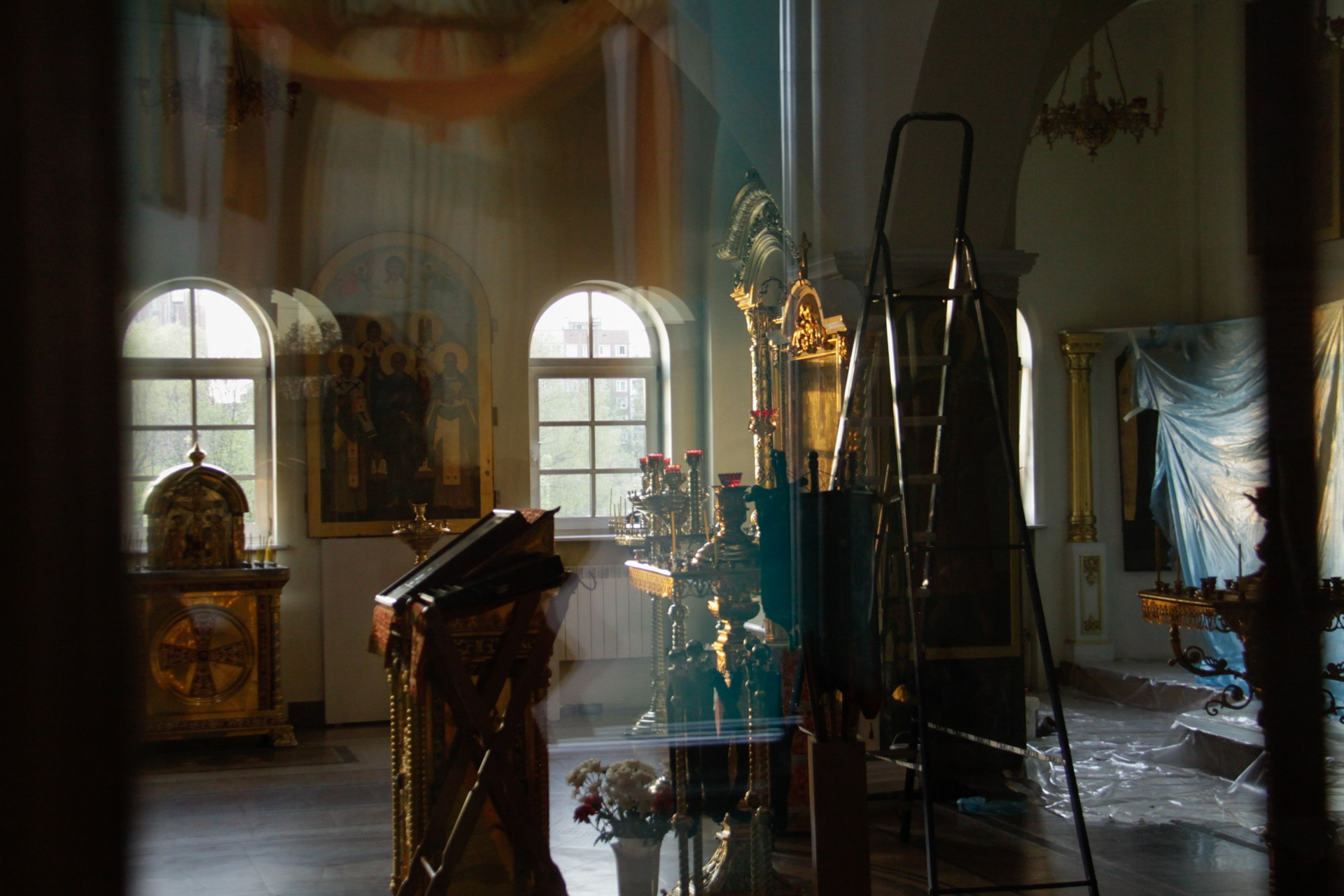
The Church of the Intercession of the Holy Mother of God on Kosygin Avenue, St. Petersburg.
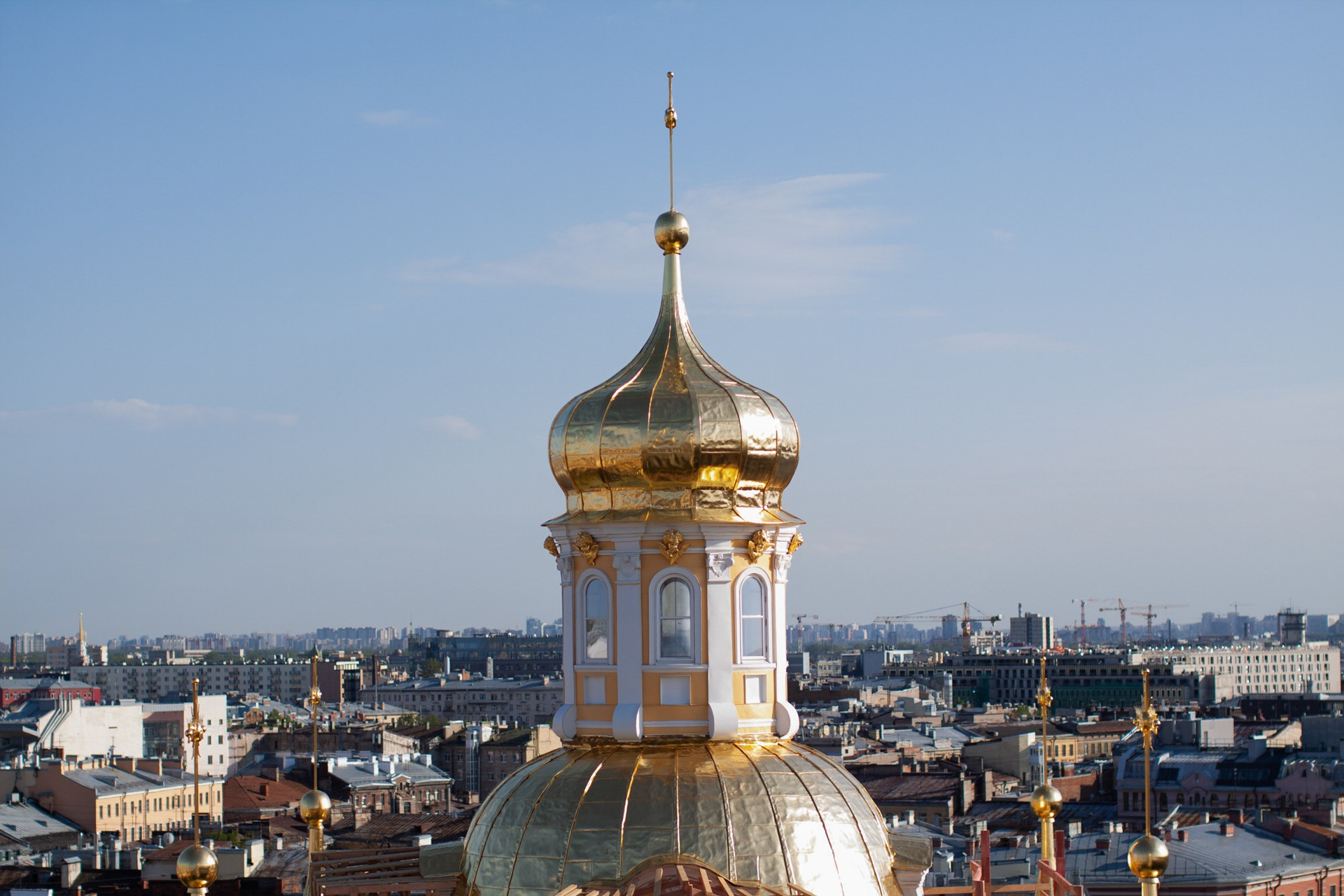
View from the bell tower of the Cathedral of the Vladimir Icon of the Mother of God, overlooking St. Petersburg and the cathedral’s domes
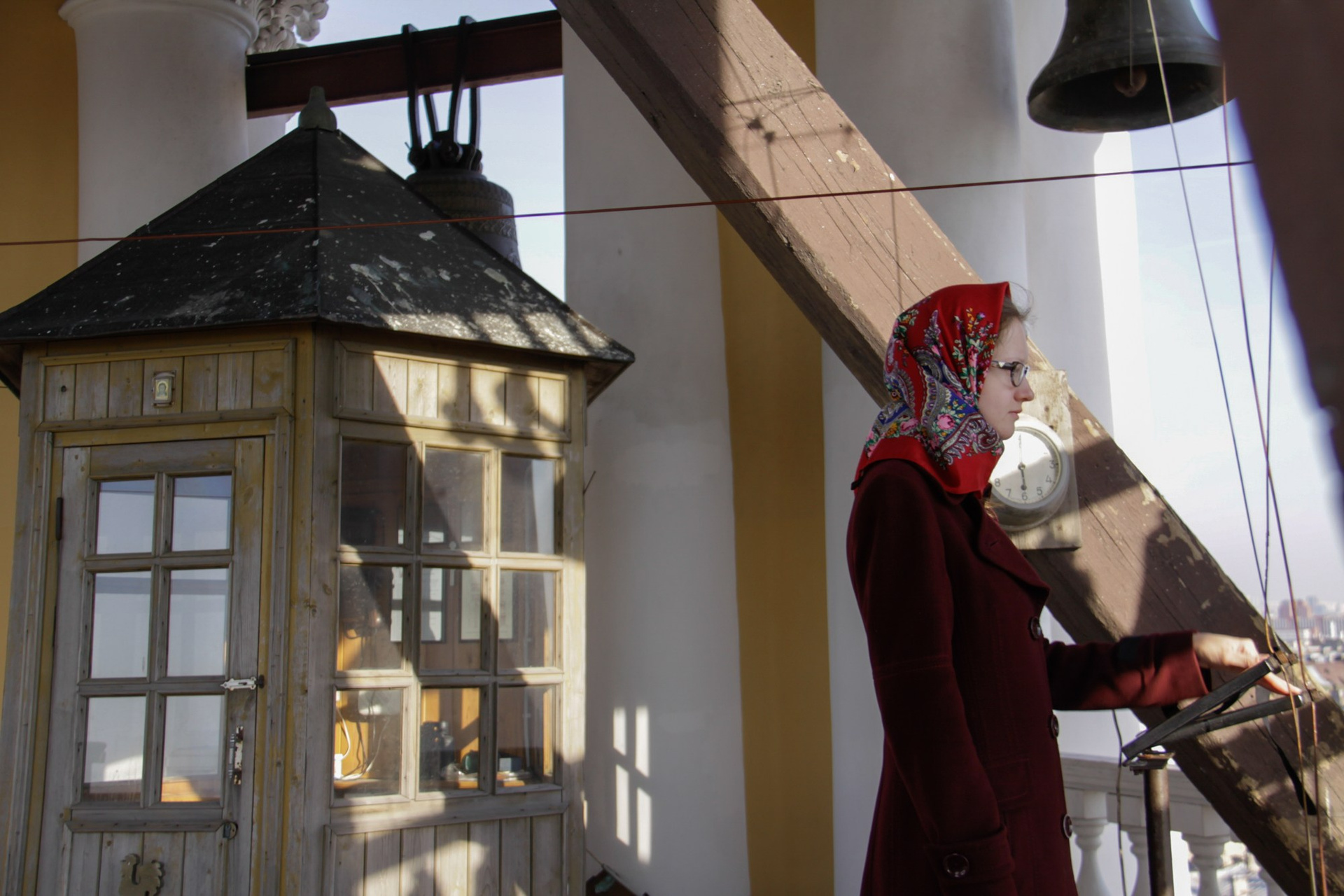
Maria ringing the bells before the evening service during Holy Week at the bell tower of the Vladimir Cathedral.
During Great Lent, there are special types of bell ringing unique to this period. For example, on Great Monday, Great Tuesday, and Great Wednesday, they perform the hourly ring (single strikes marking the start of services on the Lenten bell) and the double ring (two bells—the hourly and the next smaller one). In many churches, bell ringing is suspended for the duration of Great Lent.
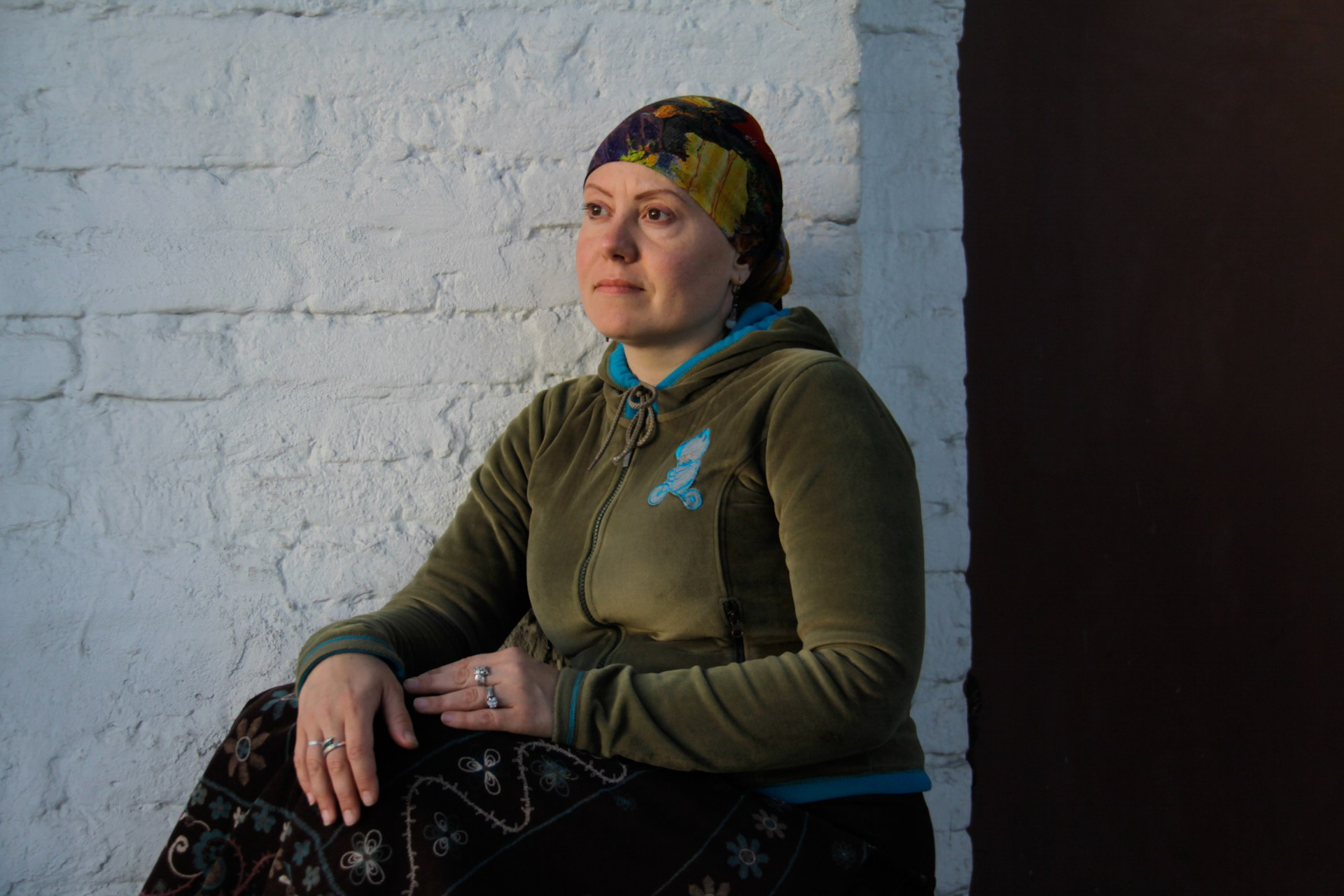
One day, Yana went to Zelenogorsk for her friend’s wedding. It turned out that the bell-ringer was unavailable, so she asked the priest for permission to ring the bells for her friend’s ceremony.
According to Orthodox tradition, when the newlyweds leave the church, a trezvon is performed—a joyful ringing of several or all bells with short pauses.
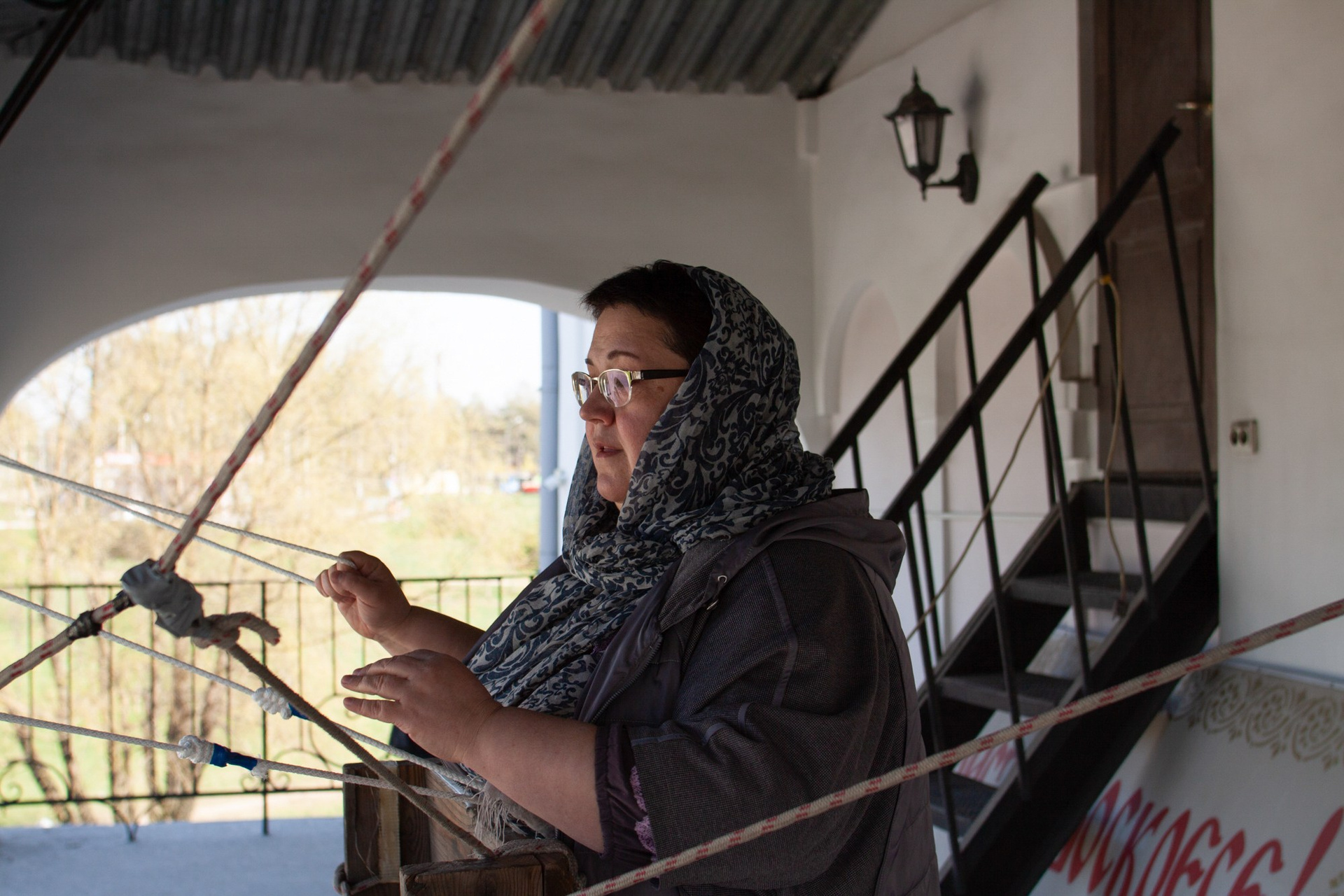
Elena Nikolaevna is an icon painter by profession, but she also serves as a bell-ringer in two churches—the Temple Complex on Piskarevsky Prospect and the Church of the Tikhvin Icon of the Mother of God on Sofya Kovalevskaya Street—and teaches bell-ringing at the school of the spiritual-educational center “Communion.”
Over ten years ago, when a new church opened, she decided to try ringing the bells and enjoyed it. After that, she joined Vladimir Stepanovich’s bell-ringing school. “Many want to learn to ring bells, but only a few persist, ” says Elena Nikolaevna.